


Key Takeaways About Summer Seasonal Affective Disorder
- Summer-pattern SAD is a recognized form of seasonal depression.
- Common symptoms include insomnia, anxiety, agitation, reduced appetite, and persistent low mood.
- Recurring timing is important. Symptoms tend to begin and end during a similar season each year.
- Heat, longer daylight hours, sleep disruption, and changes in routine may contribute, but researchers have not identified one single cause.
- Psychotherapy and medication may help. Treatment should be personalized by a qualified professional.
- New or worsening thoughts of suicide require immediate crisis support.
Yes. Seasonal affective disorder can begin during spring or summer, even in a sunny state like Arizona. Summer-pattern SAD is a form of depression that returns during the same season and may cause insomnia, anxiety, agitation, reduced appetite, low mood, and loss of interest. A mental health professional can determine whether the pattern is SAD or another condition.
Seasonal depression is usually associated with short, dark winter days. That can make summer symptoms confusing, especially when everyone around you seems excited about vacations, longer days, and warmer weather. Arizona’s intense heat can also disrupt sleep, limit outdoor activity, change family routines, and increase isolation.
If your mood changes during roughly the same months each year and improves after the season ends, the pattern is worth discussing with a qualified professional. Seasonal affective disorder treatment can help you understand what you are experiencing and find a path forward.
What Is Summer Seasonal Affective Disorder?
Summer seasonal affective disorder is depression with a recurring spring or summer pattern. It is sometimes called summer-pattern SAD, summer depression, or reverse SAD. It is less common than winter-pattern SAD, but its symptoms can still significantly affect sleep, relationships, work, school, and everyday functioning.
The National Institute of Mental Health explains that SAD is a form of depression characterized by a recurrent seasonal pattern. Symptoms commonly last about four to five months of the year.
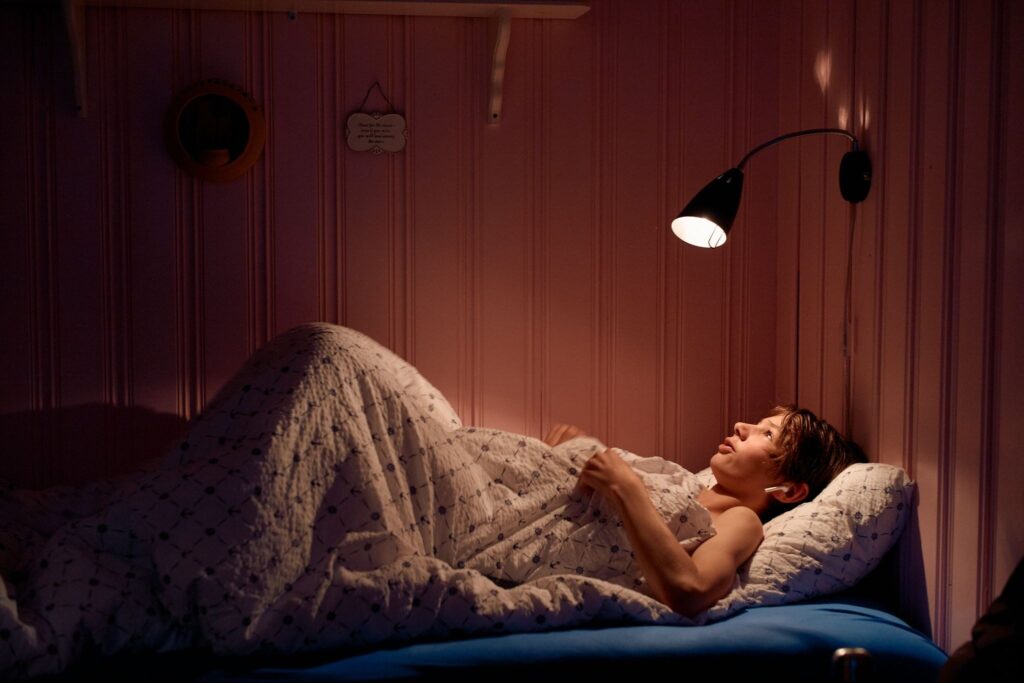
The timing, severity, and effect of the symptoms, not simply a dislike of hot weather, help distinguish SAD from ordinary seasonal stress.
Summer-pattern SAD is not a separate diagnosis from depression. Clinicians evaluate it as a depressive disorder with a seasonal pattern. Because other mental and physical health conditions can cause similar symptoms, an accurate evaluation matters.
What Are the Symptoms of Summer SAD?
Summer-pattern SAD includes symptoms of depression along with a pattern that begins during warmer months. Compared with winter-pattern SAD, summer depression is more commonly associated with insomnia, reduced appetite, anxiety, restlessness, and agitation.
Possible symptoms include:
- Feeling sad, empty, anxious, or hopeless most days
- Losing interest or pleasure in activities you normally enjoy
- Insomnia or restless, unrefreshing sleep
- Reduced appetite or unplanned weight loss
- Restlessness, agitation, or unusual irritability
- Low energy or difficulty completing ordinary tasks
- Trouble concentrating, remembering, or making decisions
- Feeling guilty, worthless, or helpless
- Withdrawing from friends, family, or social plans
- Thinking about death, self-harm, or suicide
Not everyone has every symptom, and symptoms may look different from one person to another. Similar changes can also occur with anxiety, nonseasonal depression, bipolar disorder, medication effects, substance use, sleep disorders, and medical conditions.
Why Can Summer Affect Mental Health in Arizona?
Researchers do not yet know precisely why some people experience summer-pattern SAD. Longer days, shorter nights, and high temperatures may interfere with sleep and the body’s daily rhythms. In Arizona, extreme heat may also reduce activity and social connection, although these circumstances alone do not mean someone has SAD.
Extreme Heat Can Limit Normal Activities
During an Arizona summer, outdoor exercise, errands, community events, and time with friends may become harder to maintain. Staying indoors may be necessary for safety, but losing movement, structure, and social contact can affect emotional well-being.
Longer Days Can Disrupt Sleep
Early morning light and late sunsets can shift sleep timing. Hot nights, travel, school breaks, and changing household schedules may make sleep less consistent. Ongoing sleep disruption can worsen concentration, anxiety, irritability, and depressive symptoms.
Summer Can Feel Isolating
Summer is often presented as a happy and carefree season. When someone is struggling, that expectation can create shame or the feeling that they are missing out. Financial stress, childcare demands, body-image concerns, grief, loneliness, or limited access to safe activities may add to the emotional strain.
Familiar Routines May Disappear
School breaks, vacations, changing work schedules, and family transitions can interrupt routines that support stability. Even positive changes can require substantial emotional adjustment.
These factors may provide useful context, but they cannot confirm a diagnosis. A clinician will consider the entire symptom pattern and look for other possible explanations.
Summer SAD vs. Winter SAD: What Is the Difference?
Both patterns are forms of seasonal depression. Winter-pattern SAD is commonly associated with oversleeping, low energy, increased appetite, and social withdrawal. Summer-pattern SAD is more commonly associated with insomnia, reduced appetite, anxiety, and agitation.
| Feature | Winter-pattern SAD | Summer-pattern SAD |
| Common timing | Fall and winter | Spring and summer |
| Sleep pattern | Oversleeping or difficulty waking | Insomnia or restless sleep |
| Appetite pattern | Increased appetite and carbohydrate cravings | Reduced appetite and possible weight loss |
| Energy and behavior | Low energy and social withdrawal | Restlessness, agitation, or irritability |
| Mood | Persistent depression or loss of interest | Persistent depression, sometimes with more anxiety |
This table describes common tendencies, not diagnostic requirements. An individual may experience a different combination of symptoms.
Is Summer SAD the Same as the Holiday Blues or Heat Exhaustion?
No. SAD is a recurring form of depression. The holiday blues usually reflect seasonal stress, grief, conflict, or expectations rather than a depressive pattern tied to changes in season. Heat-related illness is a medical condition that can become an emergency and requires appropriate medical attention.
Fatigue, sleep problems, irritability, and difficulty concentrating can have many causes. A clinician may consider:
- Major depression without a seasonal pattern
- An anxiety disorder
- Bipolar disorder
- Medication or substance effects
- Thyroid or other medical conditions
- Dehydration or heat illness
- A sleep disorder
- Grief or a stressful life event
- A schedule change that happens to coincide with summer
Keep track of when symptoms begin, how long they last, and when they improve. Bring that information to an appointment instead of trying to diagnose yourself or changing medication on your own.
How Is Summer Seasonal Affective Disorder Diagnosed?
A mental health professional diagnoses SAD by reviewing the symptoms, their severity, their effect on daily life, and whether depressive episodes follow a recurring seasonal pattern. The evaluation may also include medical history, medication and substance use, sleep, family history, and possible physical causes.
It may help to track:
- Daily mood and energy
- Sleep and wake times
- Appetite or weight changes
- Anxiety, restlessness, or irritability
- Changes in activity and social connection
- Medication or substance use
- The month symptoms begin, and the month they improve
One difficult summer does not necessarily indicate SAD. The recurring pattern becomes clearer when symptoms return during a similar season. However, you do not need to wait several years to seek help for depression.
How Is Summer Seasonal Affective Disorder Treated?
Summer-pattern SAD may be treated with psychotherapy, antidepressant medication, or a combination of approaches. Treatment depends on the person’s symptoms, health history, other diagnoses, and preferences. Unlike winter-pattern SAD, there is no treatment specifically established for summer-pattern SAD.
Psychotherapy
Psychotherapy can help people understand mood patterns, address unhelpful thoughts, rebuild structure, and develop practical coping skills. Cognitive behavioral therapy adapted for seasonal depression, known as CBT-SAD, uses cognitive strategies and behavioral activation to help people remain engaged with meaningful activities.
At Lifeline Behavioral Health, care is personalized rather than based on a single symptom checklist. Explore the evidence-based therapy approaches that may be incorporated into an individual treatment plan.
Medication and Psychiatric Support
Antidepressant medication may be appropriate for some people. Medication decisions should be made with a qualified prescriber who can review benefits, risks, health history, and possible interactions.
This is particularly important when someone has a personal or family history of bipolar disorder. Antidepressants are not used alone in the same way for every mood disorder. Never start, stop, or change a psychiatric medication without speaking with the clinician who manages it.
Sleep and Routine Support
A clinician may help establish a more consistent sleep and activity schedule. Depending on the person, that may include regular wake times, safe temperature-conscious movement, planned social contact, and changes to habits that interfere with sleep.
Bright-light therapy is widely used for winter-pattern SAD, but it is not a standard do-it-yourself treatment for summer-pattern SAD. Speak with a health professional before using a light box, particularly if you have bipolar disorder, an eye condition, or take medication that affects light sensitivity.
What Can Help With Summer Depression?
Practical habits can support treatment, although they do not replace professional care when symptoms persist or interfere with daily life.
- Keep sleep and wake times as consistent as possible.
- Protect the bedroom from excess light, heat, and noise when practical.
- Plan safe indoor movement or outdoor activity during cooler hours.
- Schedule regular contact with supportive people instead of waiting to feel social.
- Eat and hydrate consistently, even when heat reduces appetite.
- Track mood, sleep, appetite, and energy to identify changes.
- Limit alcohol and other substances that can worsen mood or sleep.
- Break responsibilities into smaller, manageable steps.
- Ask for help when daily tasks begin to feel overwhelming.
Choose steps that are realistic for your health, living situation, responsibilities, and financial circumstances. If self-care is not enough, that is not a personal failure. It may be a sign that professional treatment is needed.
When Should You Get Help for Seasonal Depression?
Seek professional support when mood changes last most of the day for two weeks or longer, return during the same season, or interfere with sleep, relationships, work, school, or self-care. You can also reach out sooner. There is no minimum level of suffering required before speaking with a therapist.
Treatment may be especially important if you:
- Cannot maintain basic daily responsibilities
- Feel increasingly isolated or hopeless
- Rely on alcohol or other substances to cope
- Experience severe insomnia or agitation
- Notice symptoms returning at a similar time each year
- Have thoughts of self-harm or suicide
Lifeline provides in-person care at locations across Arizona as well as telehealth mental health services, helping clients access support in the setting that works for them.
Frequently Asked Questions About Summer SAD
Can you have seasonal affective disorder in a sunny state?
Yes. SAD involves recurring seasonal changes in mood and behavior, not simply cold or cloudy weather. Summer-pattern SAD can occur during long, hot days, and winter-pattern SAD can still occur in places with mild winters.
Is summer depression just being tired of the heat?
No. Heat may affect sleep, energy, and routine, but SAD is a form of depression with a recurring seasonal pattern and meaningful effects on daily functioning. A professional can help distinguish depression from heat stress, a sleep problem, or another condition.
How long does summer-pattern SAD last?
Seasonal depressive episodes may last several months. The exact timing differs by person. Tracking symptoms across the year can help a clinician recognize the pattern.
Does light therapy treat summer SAD?
Light therapy is primarily used for winter-pattern SAD. There is no treatment specific to summer-pattern SAD. Consult a clinician before using a light box, particularly if you have bipolar disorder, an eye condition, or take medication that increases light sensitivity.
Can counseling help seasonal depression?
Yes. Counseling can help people address depressive thought patterns, restore supportive routines, manage seasonal stressors, and recognize early warning signs. Treatment may also include medication based on individual needs.
Can seasonal affective disorder cause suicidal thoughts?
Yes. SAD is a form of depression, and depression can include thoughts of death or suicide. Call or text 988 for immediate emotional support. Call 911 if there is immediate danger.