

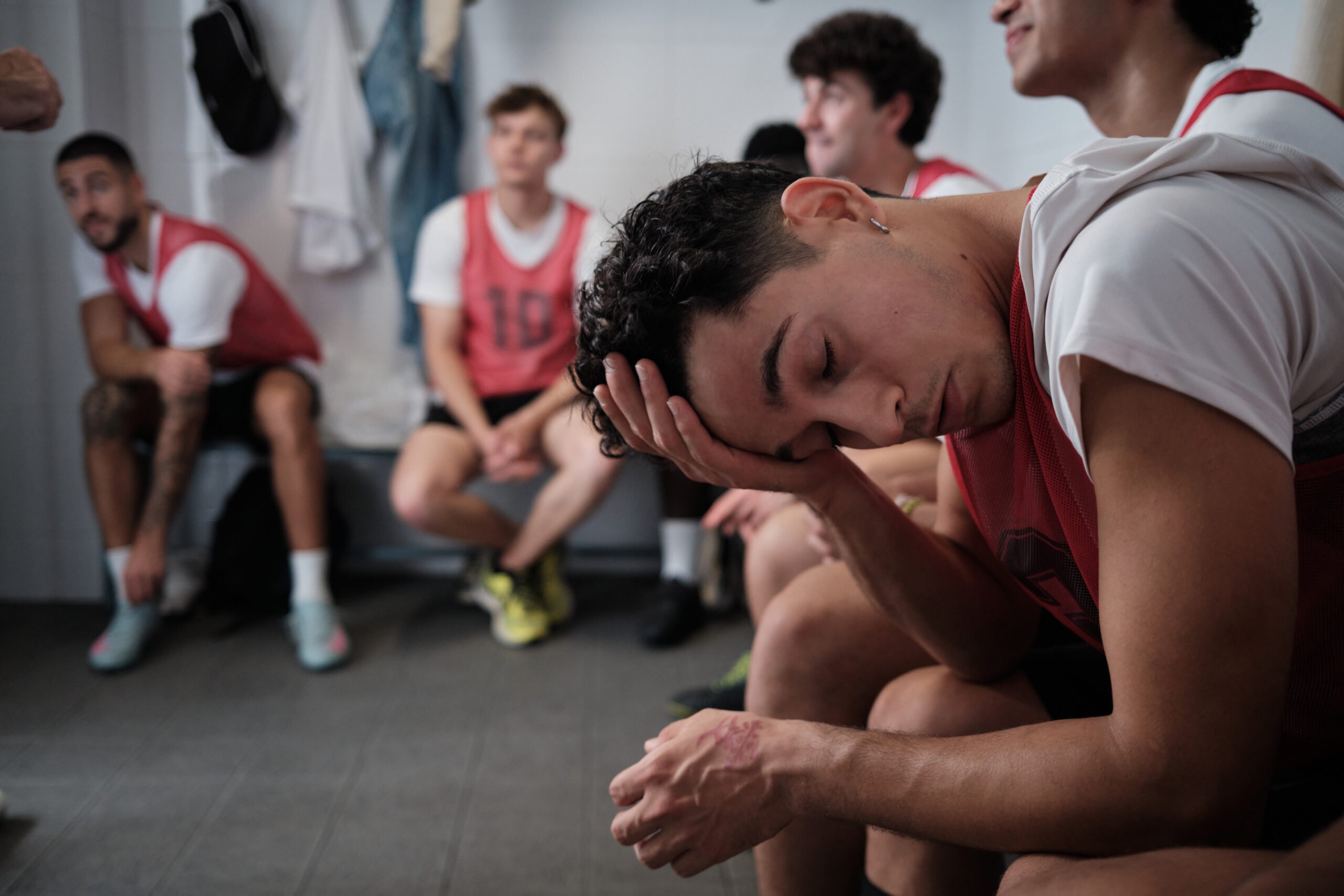
Performance anxiety can make everyday moments feel overwhelming. A presentation, test, interview, game, meeting, audition, social event, or important conversation may trigger intense fear, racing thoughts, physical symptoms, or the urge to avoid the situation completely.
Some nervousness before a big moment is normal. But when pressure begins affecting your confidence, performance, relationships, school, work, or daily routine, it may be time to look more closely at what is happening.
Performance anxiety is not a weakness. It is a real anxiety response that can be treated with the right support. At Lifeline Behavioral Health, anxiety treatment helps children, teens, and adults understand anxiety patterns, build coping skills, and move through pressure with more confidence.
What Is Performance Anxiety?
Performance anxiety is intense fear, worry, or physical distress that happens before or during a situation where you feel watched, judged, evaluated, or expected to succeed. Cleveland Clinic describes performance anxiety as outsized fear, nervousness, and dread around completing specific tasks, often called stage fright.

It can happen on an actual stage, but it can also happen in ordinary life. You might feel performance anxiety when you have to:
- Speak in front of a group
- Take a test
- Interview for a job
- Compete in a sport
- Perform music, theater, dance, or athletics
- Lead a meeting
- Make a phone call
- Eat, write, or work while others are watching
- Have an important conversation
- Meet expectations at school, work, or home
For some people, performance anxiety shows up only in one setting. For others, it begins spreading into more areas of life.
Performance Anxiety vs. Normal Nerves
A little nervousness can sharpen focus and help you prepare. Normal nerves usually ease once the situation begins or ends.
Performance anxiety becomes more concerning when the fear feels intense, persistent, or hard to control. It may cause you to avoid opportunities, overprepare to the point of exhaustion, freeze in the moment, or feel ashamed afterward.
The difference is not whether you feel nervous. The difference is whether anxiety starts controlling your choices.
You may be dealing with performance anxiety if pressure causes:
- Avoidance of school, work, social, or performance situations
- Panic symptoms before or during an event
- Trouble sleeping before something important
- Constant fear of embarrassment or failure
- Harsh self-criticism after the situation ends
- Difficulty focusing because of racing thoughts
- Physical symptoms that feel hard to manage
- Missed opportunities because fear feels too strong
When this pattern begins affecting daily life, therapy can help you understand the anxiety cycle and build skills to respond differently.
Common Symptoms of Performance Anxiety
Performance anxiety can affect the body, mind, and behavior. Symptoms often appear before the event, during the event, and sometimes afterward.
Physical symptoms can include:
- Racing heart
- Shaking or trembling
- Sweating
- Nausea or stomach discomfort
- Shortness of breath
- Dry mouth
- Muscle tension
- Dizziness
- Feeling frozen or unable to speak
Emotional and mental symptoms can include:
- Fear of failure
- Fear of judgment
- Racing thoughts
- Trouble concentrating
- Feeling embarrassed before anything happens
- Imagining the worst-case scenario
- Feeling like one mistake will ruin everything
- Harsh self-talk after the event
Behavioral symptoms can include:
- Avoiding presentations, tests, performances, or social situations
- Overpreparing and still feeling unready
- Procrastinating because the pressure feels too intense
- Leaving situations early
- Relying on alcohol, substances, or unhealthy coping habits to get through
If performance pressure brings sudden fear, chest tightness, shortness of breath, shaking, or a racing heart, Lifeline’s guide to panic attack treatment explains how panic symptoms can be understood and treated.
Symptoms can vary from person to person. Some people appear calm on the outside while feeling panicked internally. Others may shut down, become irritable, or avoid the situation altogether.
What Causes Performance Anxiety?
Performance anxiety often comes from the brain and body interpreting a situation as a threat. Even when there is no physical danger, the fear of judgment, failure, rejection, or embarrassment can activate the body’s stress response.
Several factors can contribute, including:
- Past embarrassment or criticism
- High personal expectations
- Pressure from school, work, sports, family, or peers
- Perfectionism
- Fear of disappointing others
- Low self-confidence
- Trauma or past negative experiences
- Social anxiety
- General anxiety
- ADHD or difficulty with attention and organization
- Substance use or dependence on unhealthy coping patterns
Performance anxiety can also be learned over time. If avoiding a situation brings temporary relief, the brain may start treating avoidance as safety. Over time, the feared situation can feel even harder to face.
Therapy helps interrupt that cycle. Instead of avoiding pressure completely, clients can learn how to prepare, regulate their nervous system, challenge anxious thoughts, and approach stressful situations in manageable steps.
When Performance Anxiety Starts Affecting Daily Life
Performance anxiety becomes more serious when it begins shaping your daily choices. You may stop signing up for opportunities, avoid classes or meetings, turn down promotions, quit activities you once loved, or feel trapped by the fear of being evaluated.
It may be time to seek support if performance anxiety is affecting:
- School attendance or grades
- Work performance
- Sports or creative activities
- Friendships or relationships
- Sleep, appetite, or energy
- Confidence and self-esteem
- Your ability to speak up, participate, or try new things
- Your willingness to pursue goals
Performance Anxiety in Teens
For students and teens, performance anxiety can show up around tests, sports, public speaking, social pressure, or expectations to achieve. A teen may avoid school, quit activities, overprepare, shut down before a big moment, or seem irritable when they are actually anxious.
Support can help when performance pressure starts affecting sleep, grades, self-esteem, friendships, family communication, or a teen’s willingness to try new things. Lifeline Behavioral Health offers adolescent counseling for young people who need support with anxiety, school stress, emotional regulation, self-esteem, and family communication.
Performance Anxiety in Adults
For adults, performance anxiety may appear at work, in relationships, during interviews, while parenting, or when trying to meet personal goals. Lifeline’s mental health treatment services can help adults identify what is driving anxiety and build a treatment plan that fits their needs.
Is Performance Anxiety the Same as Social Anxiety?
Performance anxiety and social anxiety can overlap, but they are not always the same.
Performance anxiety usually centers on a specific task or situation where you feel evaluated. Examples include giving a speech, taking a test, competing, performing, or leading a meeting.

Social anxiety is broader. It can involve fear of judgment in many social situations, including conversations, meeting new people, eating in public, making phone calls, or being observed by others. NIMH explains that social anxiety disorder can be treated with psychotherapy, medication, or both, depending on the person’s needs.
Some people experience performance anxiety without broader social anxiety. Others experience both. A mental health professional can help clarify what is happening and which treatment approach is appropriate.
How Is Performance Anxiety Treated?
Performance anxiety is treatable. The goal is not to eliminate every nervous feeling. The goal is to help you feel more prepared, regulated, and able to participate in life without anxiety making the decisions for you.
Cognitive Behavioral Therapy
Cognitive Behavioral Therapy, or CBT, helps identify thoughts that fuel anxiety. A person may learn to recognize patterns like:
- “If I make one mistake, everyone will judge me.”
- “I have to be perfect.”
- “I will embarrass myself.”
- “I cannot handle this.”
CBT helps replace those thoughts with more realistic, supportive, and useful responses. It also helps clients practice facing feared situations gradually rather than avoiding them.
DBT-Based Skills
Dialectical Behavior Therapy skills can help with emotional regulation, distress tolerance, mindfulness, and grounding. These tools are especially helpful when anxiety feels intense in the body.
DBT-based skills can help you slow down, breathe, stay present, and respond to pressure without becoming overwhelmed by it.
Exposure and Practice
Avoidance makes performance anxiety stronger over time. Gradual exposure helps the brain learn that pressure can be uncomfortable without being dangerous.
This does not mean forcing yourself into the hardest situation immediately. It means building confidence step by step. A therapist can help you create manageable practice situations, prepare for triggers, and process what happens afterward.
Trauma-Informed Support
Sometimes performance anxiety is connected to past embarrassment, criticism, bullying, trauma, or emotionally unsafe environments. When this is the case, therapy should not only focus on performance. It should also help address the emotional experiences that made evaluation feel threatening in the first place.
Lifeline Behavioral Health provides trauma treatment for clients whose anxiety is connected to past distressing experiences.
Medication Support
Some people benefit from medication support as part of anxiety treatment. Medication decisions should always be made with a qualified medical or psychiatric provider who can evaluate symptoms, health history, risks, and goals.
At Lifeline Behavioral Health, anxiety treatment can include therapy, psychiatric care, medication support, group support, and personalized treatment planning based on each client’s needs.
How to Manage Performance Anxiety in the Moment
Therapy can help build long-term skills, but some strategies can help in the moment.
Before a stressful event:
- Practice slowly instead of repeatedly rushing through
- Prepare enough, but avoid perfectionistic overpreparing
- Sleep, eat, and hydrate as consistently as possible
- Write down the main points you need to remember
- Visualize getting through the moment, not performing perfectly
- Practice breathing or grounding before the event begins
During the moment:
- Slow your breathing
- Plant your feet on the ground
- Focus on one task at a time
- Speak more slowly than anxiety tells you to
- Remind yourself that nervousness is not failure
- Let small mistakes pass instead of fighting them
Afterward:
- Avoid replaying every detail harshly
- Notice what went better than expected
- Identify one thing to practice next time
- Treat the experience as progress, not a final judgment
These strategies can help, but if anxiety keeps returning or intensifying, professional support can make a difference.
When to Seek Anxiety Treatment
You do not need to wait until performance anxiety becomes unbearable before asking for help. Support can be helpful when anxiety is limiting your life, affecting your confidence, or making everyday responsibilities harder.
Consider anxiety treatment if you:
- Avoid important opportunities because of fear
- Feel intense dread before specific situations
- Experience panic symptoms around performance or evaluation
- Struggle with sleep, appetite, focus, or irritability because of pressure
- Depend on substances or unhealthy coping strategies to get through
- Feel stuck in perfectionism or fear of failure
- Notice anxiety affecting school, work, relationships, or self-esteem
If anxiety is connected to depression, trauma, ADHD, substance use, or other concerns, treatment can address the full picture rather than focusing on one symptom alone.
Lifeline Behavioral Health provides counseling services and anxiety-focused support for children, teens, adults, couples, and families. Treatment is built around each client’s symptoms, goals, and level of support needed.
How Lifeline Behavioral Health Supports Anxiety and Performance Pressure
Lifeline Behavioral Health helps clients understand anxiety, reduce avoidance, build coping skills, and regain confidence in daily life. Our clinicians support children, adolescents, and adults navigating performance anxiety, social anxiety, school stress, work pressure, panic symptoms, perfectionism, trauma, and emotional overwhelm.
Anxiety treatment at Lifeline can include:
- Individual therapy
- Group therapy
- CBT and DBT-based skills
- Trauma-informed therapy
- Psychiatric care and medication support
- Family involvement when appropriate
- Telehealth, in-person, and hybrid options
- Higher levels of care when anxiety is affecting daily functioning
Clients do not have to know exactly what kind of care they need before reaching out. Lifeline Behavioral Health can help you understand treatment options, verify insurance, and connect with the right level of support.
Pressure Does Not Have to Run Your Life
Performance anxiety can make life feel smaller. It can convince you to avoid opportunities, stay quiet, overprepare, or believe that one mistake means failure. But pressure does not have to control your choices.
With the right support, you can learn to understand your anxiety, calm your body, challenge fear-based thoughts, and approach important moments with more confidence.
Lifeline Behavioral Health provides anxiety treatment for children, teens, and adults across Arizona. If performance anxiety is affecting school, work, relationships, confidence, or daily life, support is available.
Contact Lifeline Behavioral Health to request an appointment, verify insurance, or learn more about anxiety treatment options.
Frequently Asked Questions About Performance Anxiety
What is performance anxiety?
Performance anxiety is intense fear, worry, or physical distress that happens before or during a situation where someone feels judged, watched, evaluated, or expected to succeed. It can happen during public speaking, testing, sports, interviews, performances, meetings, or other high-pressure situations.
What are the signs of performance anxiety?
Signs of performance anxiety can include racing thoughts, panic, nausea, sweating, trembling, dry mouth, trouble sleeping, fear of failure, avoidance, or feeling frozen in the moment. Some people also experience harsh self-criticism after the event ends.
Is performance anxiety a type of social anxiety?
Performance anxiety can overlap with social anxiety, but they are not always the same. Performance anxiety usually centers on a specific task or situation. Social anxiety is broader and can involve fear of judgment across many social interactions.
When should I seek help for performance anxiety?
It may be time to seek help when performance anxiety causes avoidance, panic symptoms, sleep problems, declining school or work performance, relationship stress, substance use, or loss of confidence. Therapy can help when anxiety begins affecting daily life.
How is performance anxiety treated?
Performance anxiety is often treated with therapy approaches such as CBT, DBT-based coping skills, gradual exposure, trauma-informed therapy, and sometimes medication support. The right treatment plan depends on symptoms, triggers, health history, and personal goals.
Why do I have performance anxiety?
Performance anxiety can develop from fear of judgment, failure, rejection, or embarrassment. Past criticism, perfectionism, high expectations, trauma, social anxiety, general anxiety, or previous negative experiences may also contribute. The specific causes differ from person to person.
How can I calm performance anxiety in the moment?
Slow your breathing, plant your feet firmly on the ground, and focus on one task at a time. Remind yourself that nervousness does not mean failure, and allow small mistakes to pass without trying to correct everything immediately. If anxiety repeatedly feels overwhelming, therapy can help you develop more individualized strategies.