

Social media is woven into modern adolescence. For today’s teens, platforms like YouTube, TikTok, Instagram, and Snapchat are not just entertainment. They are spaces for connection, identity exploration, creativity, and self-expression.
At the same time, growing research shows that excessive or unregulated social media use can negatively affect teen mental health, sleep, self-esteem, and emotional development.
Understanding the full picture matters. Social media is neither entirely harmful nor entirely helpful. Its impact depends on how, how often, and why it is used, along with a teen’s emotional health, support system, and coping skills.
This article explores the positive and negative effects of social media on teenagers, what research tells us, and how families can support healthy use through education and therapeutic care.
How Much Time Are Teens Spending on Social Media?
According to large-scale studies, many teenagers spend more than three hours per day on social media, and some spend significantly more. Research has found that teens who use social media for over three hours daily are at double the risk for symptoms of anxiety and depression compared to peers with lower use.
A small number of platforms account for the majority of teen social media engagement, shaping how teens spend their time, interact with peers, and consume content.
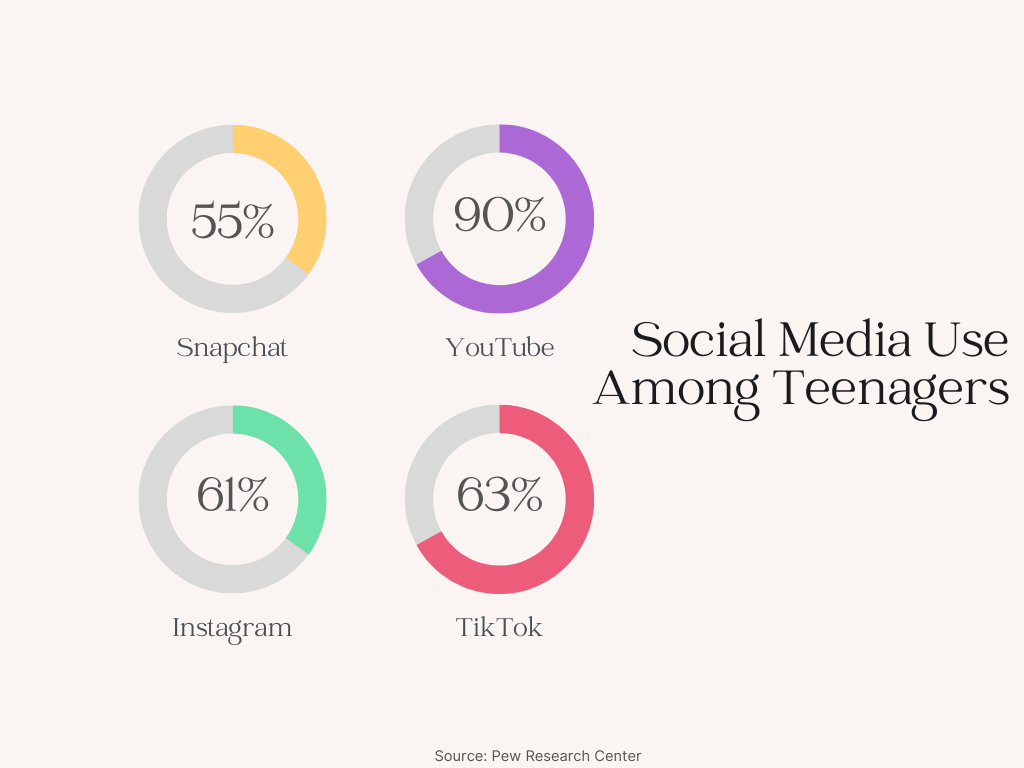
Newer platforms such as Discord, BeReal, and Threads continue to gain traction, creating additional online spaces teens must navigate socially and emotionally. As teens move between multiple platforms, they are exposed to different forms of content, social feedback, and comparison, which can compound emotional pressure over time.
The Mental Health Impact of Social Media on Teens
Anxiety, Depression, and Emotional Comparison
One of the most well-documented risks of social media use is its relationship to anxiety and depression. Constant exposure to curated images, highlight reels, and filtered content can lead teens to compare themselves to unrealistic standards. Studies show that nearly half of adolescents ages 13 to 17 report feeling worse about their body image after using social media, with girls being particularly affected.
For teens already struggling with anxiety, depression, or low self-esteem, social media can intensify feelings of inadequacy, rejection, or fear of missing out.
Dopamine Loops and Problematic Use
Social media platforms are designed to reward engagement through likes, comments, and notifications. For some teens, this creates a feedback loop that mirrors addictive patterns. Research estimates that about 11 percent of adolescents show signs of problematic social media use, including difficulty cutting back, irritability when offline, and compulsive checking.
This pattern does not mean a teen is “addicted” in a clinical sense, but it does signal difficulty with impulse control, emotional regulation, and reward processing, all areas still developing during adolescence.
Sleep, Focus, and Academic Disruption
High screen time is strongly associated with sleep disruption, especially when devices are used late at night. Blue light exposure and constant notifications interfere with circadian rhythms, making it harder for teens to fall and stay asleep.
Poor sleep then affects:
- Mood regulation
- Concentration and memory
- Academic performance
- Emotional resilience
Many teens caught in late-night scrolling cycles experience increased irritability, lower motivation, and heightened emotional reactivity during the day.
Cyberbullying and Social Pressure
Unlike traditional bullying, cyberbullying can follow teens home and persist around the clock. Negative comments, exclusion, and online harassment can significantly impact mental health, increasing the risk of depression, anxiety, and social withdrawal.

Even teens who are not directly targeted may feel pressure to monitor their online image, respond quickly to messages, or maintain a certain persona, which can create chronic stress.
The Positive Role of Social Media for Teens
Despite the risks, social media also offers meaningful benefits when used in healthy ways.
Connection and Community
For many teens, especially those who feel isolated or marginalized, social media provides access to supportive communities they may not find locally. LGBTQ+ teens, neurodivergent teens, and teens with niche interests often report feeling less alone through online connections.
Identity Exploration and Self-Expression
Adolescence is a time of identity formation. Social media can offer teens a space to explore values, creativity, and self-expression through art, writing, music, and conversation. For some, this exploration supports confidence and self-understanding.
Access to Mental Health Information
Social platforms increasingly expose teens to conversations about mental health, coping strategies, and emotional awareness. While not a replacement for professional care, this exposure can reduce stigma and encourage teens to seek help when they are struggling.
Education and Guidance Matter
The issue is not whether teens should use social media, but whether they are equipped to understand and manage its effects.
Teens benefit from:
- Learning how algorithms influence what they see
- Understanding that online content is often curated and unrealistic
- Developing emotional awareness around how certain content affects their mood
- Building skills to pause, reflect, and disengage when needed
This is where structured mental health education and therapeutic support play a critical role.
How Lifeline Behavioral Health Supports Teens and Families
Adolescent Counseling
Lifeline Behavioral Health offers adolescent counseling designed to support teens navigating anxiety, depression, emotional regulation, and social stressors, including those tied to social media use. Therapy helps teens build coping skills, strengthen self-esteem, and develop healthier relationships with technology and peers.
The GRASP Program for Adolescents
The GRASP Program for Adolescents provides structured, skills-based support for teens struggling with emotional regulation, stress, trauma, and behavioral challenges. For teens impacted by social media pressure, GRASP helps address:
- Impulse control
- Emotional awareness
- Self-worth
- Healthy coping strategies
Rather than focusing on screen time alone, the program addresses the underlying emotional needs driving excessive or harmful use.
Mental Health Literacy Certificate Programs
Mental health literacy empowers both teens and families to understand emotional health, recognize early warning signs, and respond effectively. Lifeline’s Mental Health Literacy Certificate Programs provide education around mental health conditions, coping skills, and emotional awareness, helping families have informed, supportive conversations about topics like social media use and well-being.
Practical Safety and Balance Tips for Families
Healthy social media use starts with collaboration, not control.
Helpful strategies include:
- Setting device-free times, especially before bed
- Creating tech-free spaces such as bedrooms at night
- Reviewing privacy settings together
- Encouraging regular breaks from screens
- Talking openly about content teens see and how it makes them feel
- Prioritizing in-person connection, sleep, and physical activity
Most importantly, teens benefit when parents remain curious rather than punitive, focusing on support instead of restriction alone.
A Balanced Perspective
Social media is a powerful influence in teen life. It can support connection, creativity, and identity, or amplify stress, comparison, and emotional distress. With education, open dialogue, and appropriate mental health support, teens can learn to engage with social media in ways that support rather than harm their well-being.
Lifeline Behavioral Health is here to support teens and families navigating these challenges with compassionate, evidence-based care.