

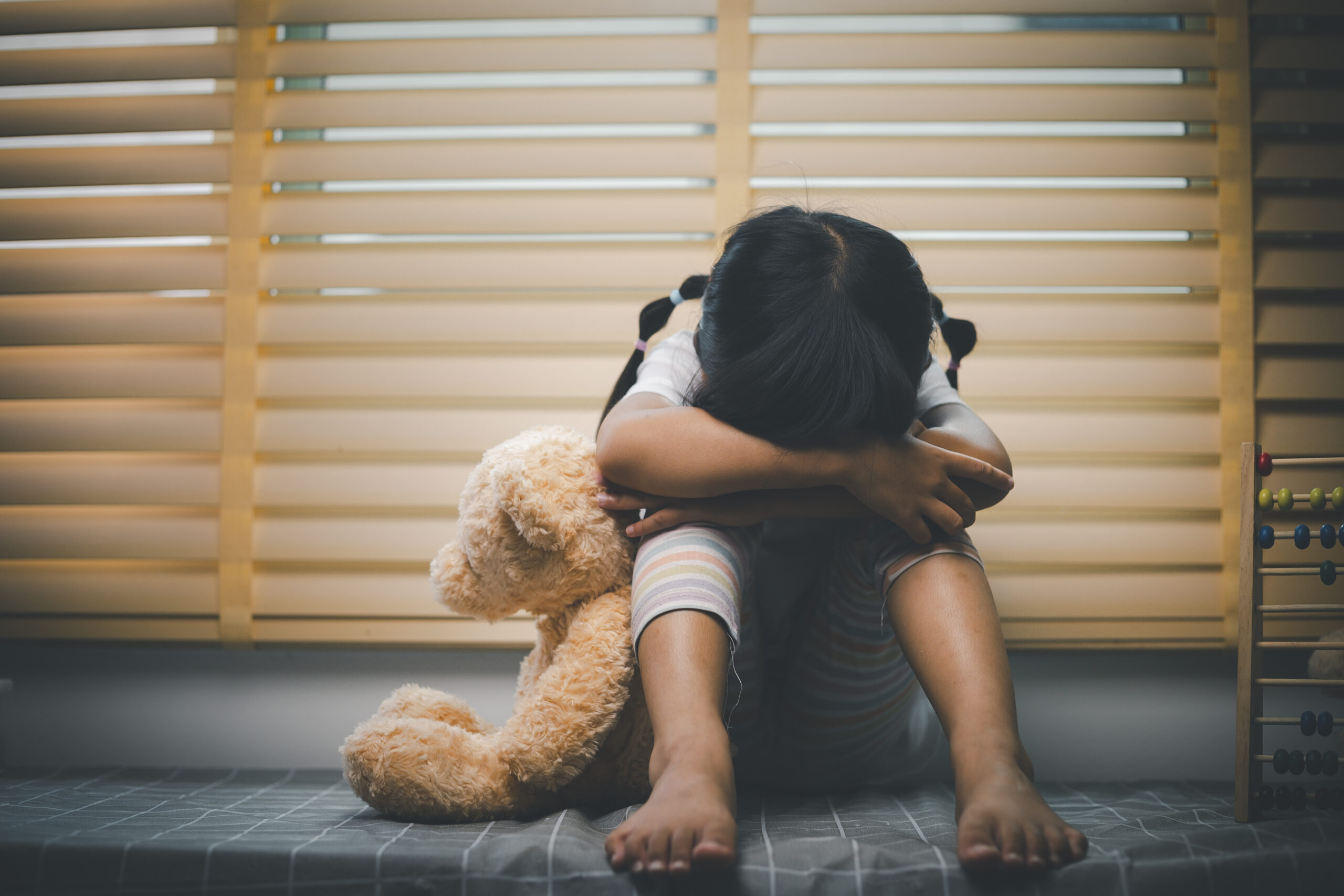
Children can experience trauma in ways that are not always obvious to adults. Events such as abuse, serious accidents, natural disasters, or exposure to violence can overwhelm a child’s sense of safety and leave lasting emotional effects. When those effects persist and begin to interfere with daily life, a child may be experiencing post traumatic stress disorder, commonly called PTSD.
PTSD in children often looks different than it does in adults. Some children relive the trauma through play or nightmares, while others become withdrawn, anxious, or irritable. Understanding the signs and knowing when to seek help can play a critical role in a child’s recovery.
What Is PTSD in Children?
Post traumatic stress disorder in children is a mental health condition that can develop after a child experiences or witnesses a traumatic event. Trauma can disrupt how a child processes emotions, remembers events, and feels safe in the world.

Unlike adults, children may not be able to explain what they are feeling. Instead, PTSD symptoms often appear through behavior changes, emotional reactions, or physical complaints. Symptoms may begin shortly after the event or emerge weeks or months later.
Common PTSD Symptoms in Children
PTSD symptoms in children typically fall into several categories. Not every child experiences the same symptoms, and intensity can vary by age and developmental stage.
Re-experiencing the trauma
- Nightmares or trouble sleeping
- Flashbacks or distressing memories
- Replaying the traumatic event through play, drawings, or stories
- Strong emotional or physical reactions to reminders
Avoidance
- Avoiding people, places, or activities that remind them of the trauma
- Refusing to talk about what happened
- Withdrawing from friends or family
Hyperarousal and reactivity
- Being easily startled or constantly on edge
- Irritability or angry outbursts
- Difficulty concentrating or focusing
- Trouble sleeping
Negative mood and thoughts
- Persistent fear, sadness, or anxiety
- Loss of interest in activities they once enjoyed
- Emotional numbness or detachment
- Feelings of hopelessness or guilt
Behavioral and physical changes
- Acting younger than their age, such as clinging or thumb sucking
- Aggressive or oppositional behavior
- Frequent headaches or stomachaches with no clear medical cause
These symptoms can affect school performance, relationships, and a child’s overall sense of stability.
What Causes PTSD in Children?
PTSD can develop after a wide range of traumatic experiences, especially when the child feels powerless or unsafe. Common causes include:
- Physical, sexual, or emotional abuse
- Witnessing violence or serious crime
- Natural disasters such as floods, fires, or hurricanes
- Serious accidents like car crashes
- War or community violence
- Sudden death or suicide of a loved one
The severity of trauma does not always determine who develops PTSD. A child’s age, support system, and previous experiences all play a role.
How PTSD Can Affect a Child’s Daily Life
When trauma is not processed, children may remain stuck in a state of fear or alertness. This can make everyday situations feel overwhelming or unsafe. Over time, PTSD can interfere with learning, emotional development, and healthy relationships.
Early support helps children rebuild a sense of safety and learn ways to manage distressing memories and emotions before they become deeply ingrained patterns.
When to Seek Help for PTSD in Children
It is normal for children to show stress reactions after a traumatic event. Professional help should be considered when:
- Symptoms last longer than a few weeks, typically around one month
- Nightmares, fear, or upsetting memories continue or worsen
- The child avoids normal activities or social interaction
- Emotional or behavioral changes interfere with school or family life
Reaching out early can reduce long term emotional impact and support healthier recovery.
Treatment Approaches for PTSD in Children
Effective PTSD treatment for children focuses on safety, emotional regulation, and age appropriate therapeutic support.
Therapy options may include:
- Play therapy to help younger children express and process trauma
- Trauma focused cognitive behavioral therapy, often called TF-CBT
- Family therapy to support communication and healing within the home
Additional supports
- Creating a stable, predictable environment
- Teaching coping and calming skills
- Medication in some cases for severe anxiety, agitation, or depression
Treatment plans are individualized based on the child’s age, symptoms, and needs.
Support Through Lifeline Behavioral Health
Lifeline Behavioral Health provides trauma-informed care for children and adolescents experiencing PTSD. Through adolescent counseling and specialized PTSD treatment, clinicians help young people process trauma, develop coping skills, and regain a sense of emotional safety.
Care is tailored to each child and may include individual therapy, family involvement, and long term support as healing progresses. You do not have to navigate this alone, and your child does not have to face trauma without help.
Frequently Asked Questions About PTSD in Children
What are the five biggest childhood traumas?
Common childhood traumas include abuse, neglect, witnessing violence, serious accidents or injuries, and sudden loss of a loved one.
At what age does PTSD develop?
PTSD can develop at any age, including early childhood, adolescence, and adulthood. Symptoms may appear immediately or months after the traumatic event.
What triggers PTSD in kids?
Triggers can include sounds, places, people, or situations that remind the child of the trauma. Triggers vary and may not always be obvious.
What is the number one cause of PTSD?
There is no single cause, but abuse and exposure to violence are among the most common factors associated with PTSD in children.